













Irwin Casino Reviews For Canada Players

A 2026 walk-through for Canadians who want to join, set limits, test games, and handle deposits and cashouts without pressure.

Fortune Gems 2 Slot

Table of Contents

  • The Dog House Megaways Slot
  • Lucky Joker 10 Extra Gifts Slot
  • Sword of Ares Slot
  • Floating Dragon Hold & Spin Slot
  • Leprechaun Riches Slot
  • Fruit Cocktail Slot
  • The Dog House Megaways Slot
  • Sword of Ares Slot
  • Fruit Million Slot
  • The Dog House Megaways Slot
  • Big Fisherman Slot
  • Big Fisherman Slot
  • Seven Books Unlimited Slot
  • Irwin Casino Fortune Slot
  • Sword of Ares Slot
  • Floating Dragon Hold & Spin Slot
  • 9 Mad Hats Slot
  • Floating Dragon Hold & Spin Slot
  • Big Bass Splash Slot

What An Irwin Casino Review Should Cover In Canada

Most people read one opinion, feel a mood, and call it research. Picture this: you are about to top up your balance after a long day, you scroll a couple comments, and you decide in thirty seconds. That is how players end up surprised later, not because the platform is mysterious, but because they never looked at the boring parts.
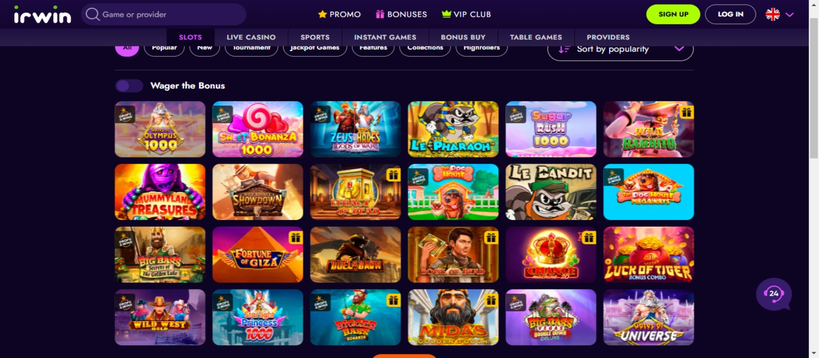
Reviews 1

A useful write-up focuses on the full loop: how you register, how you fund, how you play, how you stop, and how you leave with a withdrawal request if you decide to cash out. In Canada, that loop can look slightly different depending on your province and the payment method that appears in your cashier. So the best approach is practical: check what is available to you, then build your plan around what you actually see on screen.

This is also where “rules” matter in a grounded way. Irwin Casino is positioned as available in Canada where permitted and for legal-age players. That means you should treat your own eligibility and local requirements like part of your setup. If anything looks unclear, you pause and verify before you spend, not after.

Finally, a good review does not try to sell you a fantasy. It shows steps, explains where people get stuck, and points to the controls that help you keep play in its proper place. The goal is not to feel confident, it is to be prepared.

The Fast Test: Ten Minutes, No Regrets

Imagine you only have ten minutes and you want to understand the platform without getting pulled into a long session. Start by logging in, opening the cashier, and locating transaction history. Then find account settings and the responsible play tools. If those pages are easy to reach, you already learned something important about day-to-day usability.

Now open the game lobby and pick one category, not five. Keep the stakes small and watch your own behavior. Do you feel rushed by pop-ups? Do you want to chase because the interface keeps nudging you? Those reactions matter more than any marketing line.

End the test by logging out and closing the app. If you cannot stop cleanly, that is a signal to use stricter limits next time.

What “Player Feedback” Really Tells You

A lot of comments are written right after a bad session. Picture someone losing, feeling angry, and typing a paragraph in five minutes. The emotion is real, but the details are often missing. When you read feedback, translate it into actions: what step happened before the problem, and what can you do differently?

Look for repeated patterns, not one dramatic story. If multiple people mention confusion around verification, that is a useful signal. If multiple people mention trouble finding limits, that is also useful. Single extreme stories are less helpful than boring repeats.
Account Setup In 2026: Do It Once, Do It Clean

The easiest way to create future friction is to rush the first form. Picture signing up on your phone while multitasking, typing your name fast, and missing one letter. Later, when you try to withdraw, that tiny mismatch becomes a long detour. The fix is simple: do the setup when you are calm.

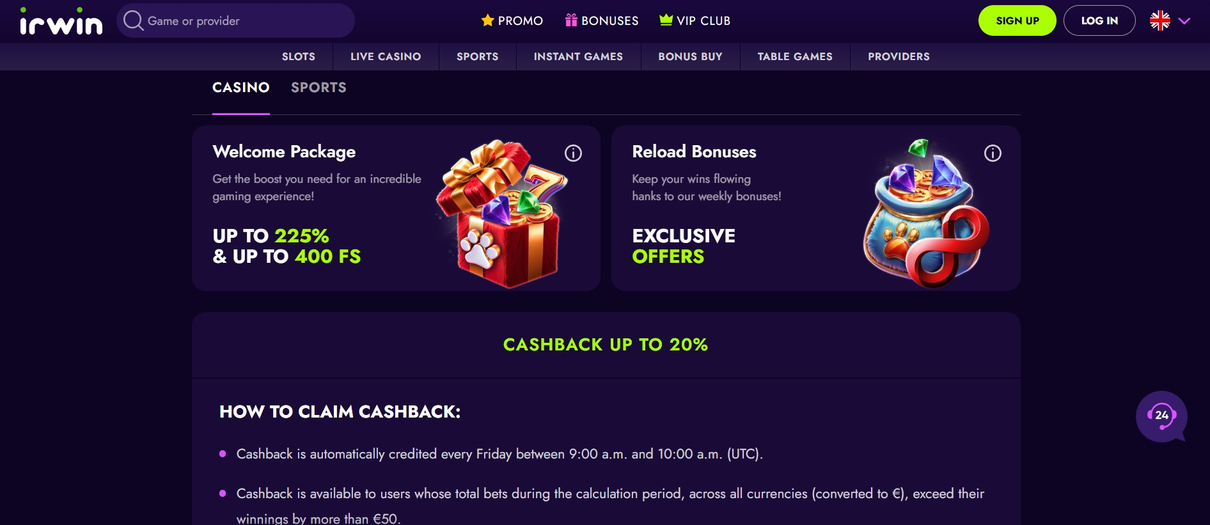
customer feedback 2

Start with an email you actually check and a strong password you do not reuse elsewhere. If extra security options are available, enable them early. Many players wait until something feels wrong, then turn security on mid-process and trigger more prompts.

Fill personal details exactly as you would write them on official documents. Keep formatting consistent. Avoid nicknames, and avoid switching identities between accounts and payment methods. It is boring, yes, but boring is what makes cashouts feel normal.

Also plan your device behavior. If you sign up on desktop, do your first settings check on desktop. If you prefer mobile, slow down and use stable internet. Imagine your connection drops during confirmation and you are not sure what step saved. That uncertainty is avoidable.

Payments And Cashouts For Canadian Players

Money movement is where emotions spike, so your process should be boring by design. Picture a typical trap: you deposit, play, switch payment method, update your profile, and then request a withdrawal all in one evening. Even if everything is legitimate, stacking changes like that creates extra checks and extra confusion.

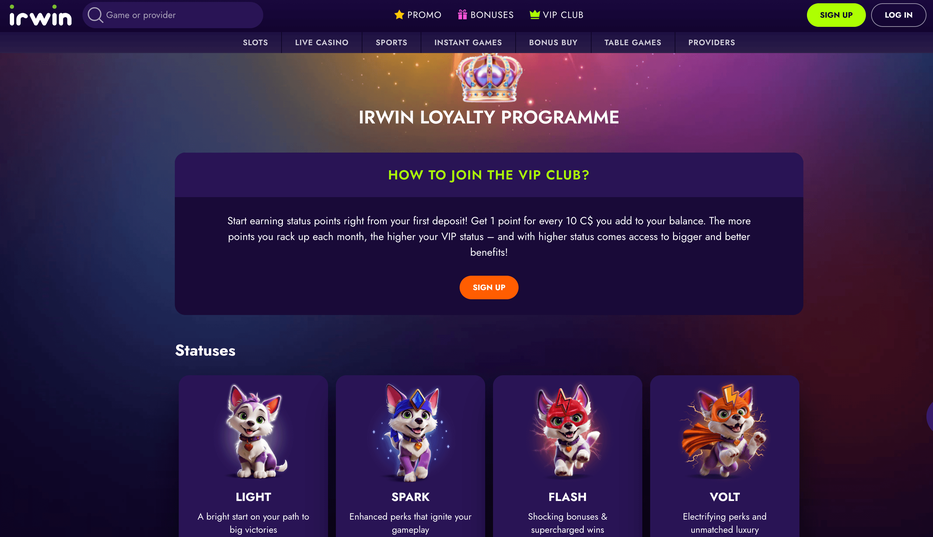
3 reviews

Start by choosing one primary payment method and sticking with it for a while. If you love trying options, do it later, not in your first week. The first week is for stability. Keep your profile details consistent with the method you choose and avoid making edits on the same day you request a payout.

Then use history like a dashboard. Check status labels and messages. Many players rely on memory after a session, and memory is unreliable when you are tired. One quick look at history beats ten minutes of guessing.

If a withdrawal request looks slow, do not panic and do not spam support. Check whether you have any pending verification steps, whether your profile details are complete, and whether you recently changed devices. Those are common causes of extra review.

Below is a practical snapshot of what players usually track to keep deposits and withdrawals predictable. It uses plain labels and avoids technical overload.

Step Into The Flow

What To Confirm

Common Slip

Better Habit

Funding Your Balance

Availability and Method Limits

Impulse deposits

Deposit only what fits your plan

Identity Verification

Required fields completed

Postponing for later

Complete checks when calm

Playing Sessions

Time and spend boundaries

Chasing after losses

Use a timer and a cap

Requesting A Payout

Profile and method consistency

Changing details same day

Separate changes from withdrawals

Reviewing History

Status labels and messages

Ignoring notifications

Check history after each session

Deposits: Keep The First One Small And Intentional

Imagine you are excited and you want to “start properly,” so you deposit more than planned. That is how a fun test becomes an expensive lesson. A smarter move is to deposit the minimum that still feels like real play for you, then run a short session and review how everything looks in your history.

Keep your first deposit tied to your session plan, not to a banner. Decide your spending cap before you open the cashier, then stick to it. If you feel tempted to top up mid-session, treat that as your stop signal and take a cool-off break.

If you want more control, use your own weekly entertainment budget and treat it as final. This keeps the casino session inside your life, not the other way around.

Withdrawals: Make The Exit Easy On Yourself

Picture finishing a session with a profit and wanting to cash out quickly, then realizing you still have incomplete profile details. That is a common stress moment. The fix is to handle the “paperwork” early, when you are not emotionally invested.

When you request a payout, avoid making other changes at the same time. Do not switch payment methods, do not update your address, and do not log in from multiple devices in a short window if you can help it. Keep the story simple: one request, one status, one clear outcome.

If you need support, provide facts: approximate time, method type, and the status label you see. Calm clarity moves faster than anger.

What Usually Slows Processing

Processing can vary by method and internal checks, so avoid assuming every delay is a problem. Imagine a small mismatch in address formatting that triggers a request for clarification. It is annoying, but it is predictable and usually solvable.

The main friction points tend to be: incomplete verification, inconsistent profile details, switching methods too often, and stacking actions in one session. If you keep your account stable, you reduce the number of reasons the system might pause.

Also watch your own habits. If you request a payout and then check the app every five minutes, you create stress and you may end up clicking things you did not need to click. Request once, confirm status, then step away until there is a meaningful update.

Understanding Irwin Casino RTP Without Myths

People love a single number because it feels like certainty. Picture a friend telling you “this one pays better,” and you immediately feel safer, even though your session length and stake size matter just as much. Return-to-player (RTP) is a useful concept, but it does not predict what happens in your short session, and it does not protect you from emotional decisions.

Use return metrics as context, not as a promise. Compare games broadly, then focus on what you control: your stake size, your session length, and whether you stop when you planned. In real life, those behaviors shape outcomes more than any headline statistic.

Also understand variance in plain language. Some games swing hard and feel dramatic. Others are smoother and feel slower. Imagine you are tired and looking for a calm experience - a high-swing title can push you into chasing because it feels like you are “due.” If you know your mood triggers, you can choose games that fit your state.

If you want to use RTP in a practical way, do it like this: pick a small set of games, play short sessions across different days, and observe how you react. The point is not to “beat” anything. The point is to find a rhythm that keeps you comfortable.

A Simple Way To Choose Games For Your Mood

Imagine you have two versions of yourself: relaxed-you and tired-you. Relaxed-you can handle more complexity and still stop on schedule. Tired-you clicks faster, chases more, and forgets time. Choose games for tired-you, because tired-you is the one who needs protection.

Set a timer, pick one category, and avoid hopping. If you find yourself browsing endlessly, you are not choosing games, you are stalling. Stop browsing, pick one, and keep the session short.

Mobile Use And Support: The Real-World Test

Mobile is where friction shows up fast. Picture trying to check transaction history with one hand while your connection drops, and the app reloads. If the interface hides key pages, a short session becomes a scavenger hunt. That is why you should test navigation before you deposit heavily.

After registration, do a ten-minute setup check: locate settings, limits, history, and support. If you can find them quickly, you are ready for a controlled session. If you cannot, consider using desktop for administrative steps and mobile for short play only.

Support matters because it is the safety net when you are confused, not because you want to chat. The best support interaction is short and specific: you ask one question, you get one answer, you move on. Players often sabotage themselves by sending vague messages like “it doesn’t work,” then spending ten replies clarifying.

Use a simple support script. Describe what you were trying to do, what you expected, what happened, and what device you used. Add the status label if it is about a deposit or withdrawal. This turns support into problem-solving instead of drama.

How To Get Help Without Losing Your Flow

Imagine you are annoyed and you start typing fast. You send a long message, then you forget what you wrote, then you send another message that contradicts the first. That is how conversations get messy. Pause for two minutes, write one clear paragraph, then wait for the reply.

If your issue is about payments, include the approximate time and the method type. If it is about an account check, include what step you completed and what message you see. Clear details give support something concrete to investigate.

Mobile Habits That Reduce Temptation

Notifications can pull you back in. Picture closing the app, then getting a push alert that makes you “just check.” Turn off unnecessary alerts and keep your device locked. The goal is to make returning a deliberate choice, not a reflex.

Also avoid making big account changes on mobile when your connection is unstable. If a step is important, do it on stable internet and confirm it saved before you move on.

Responsible Tools: Limits, Timeouts, And A Clean Exit

A good casino routine is not only about starting, it is about stopping. Picture telling yourself “one more round” five times. That loop is common because casino interfaces are designed to keep you engaged. Your job is to add structure: limits, reminders, and cool-off tools that support your decision to stop.

Start with two basics. Set a deposit cap to protect your budget and a session reminder to protect your time. If your mood shifts mid-session, use a timeout early rather than trying to negotiate with yourself while you are tilted.

Then build an exit ritual. Check history, log out, close the app, and do something physical for two minutes - water, stretch, short walk. This small routine breaks the autopilot that leads to reopening “just to check.”

If you notice that play is becoming a way to manage feelings (stress, boredom, anger), treat that as your strongest stop signal. The earlier you interrupt the pattern, the easier it is to return later with a clear head.

Finally, keep expectations realistic. Promotions, game choice, and return metrics do not change the core nature of gambling. The best protection is a plan you can follow on a tired day, not a plan that works only when you feel disciplined.

A Quick “Stop Rule” That Actually Works

Imagine you are having a decent session and you feel momentum. That is often when people break their own rules. Choose a stop rule that does not depend on mood: time or budget. When either one hits, you stop, even if you feel “close.”

If you catch yourself bargaining, that is the rule in action. Close the session, take a break, and come back another day if you still want to play.

FAQ

A withdrawal request usually follows a simple pattern: confirm your profile details, submit the request in the cashier area, and then track the status in your transaction history while any checks run. If you want fewer delays, avoid changing payment methods or personal details right before you request a payout, and complete any identity steps when you are calm, not when you are in a hurry.

Start by locating limits, time reminders, and transaction history, then set a clear spending boundary before you open the cashier. Imagine you only want a short test session - keeping the first deposit small and planned helps you learn the flow without turning the night into a chase.

They often show up when you start using payments, log in from a new device, or request a payout, because those actions can trigger extra security steps. If you handle checks early and keep your profile consistent, you reduce last-minute surprises.

Use a timer, set a deposit cap, and keep the session simple by sticking to one game category rather than hopping around. If you notice urgency or irritation, take a timeout and end the session with a clean log out to break the “just checking” habit.

Delays are commonly linked to incomplete profile details, pending verification, or frequent changes to payment methods and personal information. Keeping your account stable, separating changes from payout requests, and checking your history for status messages usually reduces friction.

Write one clear paragraph describing what you tried, what you expected, what happened, and what device you used, then include the approximate time and any status label you see in your history. Calm, specific information gives support something concrete to investigate and prevents long back-and-forth.

Pick titles that match your mood and your time limit, then keep stakes steady and stop when your timer ends. If you are tired or stressed, choose a shorter session and avoid high-pressure browsing, because endless switching often leads to chasing and longer play than you planned.

🇬🇧 English