













Irwin Casino Sign In Canada

Access Irwin Casino in Canada in 2026 with simple sign-in steps, secure settings, and quick help when something feels wrong.

Fortune Gems 2 Slot

Table of Contents

  • The Dog House Megaways Slot
  • Lucky Joker 10 Extra Gifts Slot
  • Sword of Ares Slot
  • Floating Dragon Hold & Spin Slot
  • Leprechaun Riches Slot
  • Fruit Cocktail Slot
  • The Dog House Megaways Slot
  • Sword of Ares Slot
  • Fruit Million Slot
  • The Dog House Megaways Slot
  • Big Fisherman Slot
  • Big Fisherman Slot
  • Seven Books Unlimited Slot
  • Irwin Casino Fortune Slot
  • Sword of Ares Slot
  • Floating Dragon Hold & Spin Slot
  • 9 Mad Hats Slot
  • Floating Dragon Hold & Spin Slot
  • Big Bass Splash Slot
Login 1

A Quick Account Access Reality Check

Imagine you open the platform on a lunch break, type your details, and the screen refreshes. For a second you’re not sure whether you’re in, out, or stuck. That tiny moment is why “access” matters - not as a buzzword, but as a practical flow you can repeat without stress.

Start with the account area, not the games. Find transaction history, limits, and support first. If you can locate those three in under a minute, you’ve already reduced most beginner mistakes: guessing about deposits, drifting into longer sessions, and searching for help only after frustration kicks in.

Now picture your future self, two weeks from today, trying to change a password or confirm a payout while tired. Clear navigation and predictable status labels make that task boring (in a good way). If you can’t tell what happened after a click, the platform stops feeling like entertainment and starts feeling like work.

One more adult habit: treat every session like it has an end. Set a timer, set a spending cap, and decide what “done” means before you start. In Canada, play is for legal-age users under applicable local rules, and the simplest way to respect that is to keep your routine structured and calm.

What “Smooth Sign-In” Looks Like On Any Device

Imagine you switch from phone to laptop and suddenly the menu layout feels different. That’s normal. What you want is not identical design, but identical clarity: the same settings, the same history, the same support path.

A smooth experience has three signals. First, input fields behave predictably (no random resets). Second, confirmation steps are obvious (you’re never guessing what you just approved). Third, your account opens to a place where you can immediately see your balance and history. When those signals are present, you stop over-clicking and stop second-guessing yourself.

The Two-Minute Routine Before You Play

Picture this: you’re excited, you want to pick a game, and you tell yourself you’ll set limits later. “Later” often arrives after a rough session. Do the opposite. Before you touch any game, open limits and set at least one boundary (time reminder or deposit cap).

Then open transaction history and make sure you know where it lives. That single step becomes your anchor when something looks delayed or confusing. Finally, locate support so you’re not hunting for it when you’re already annoyed.
Setting Up Your Account Without Future Headaches

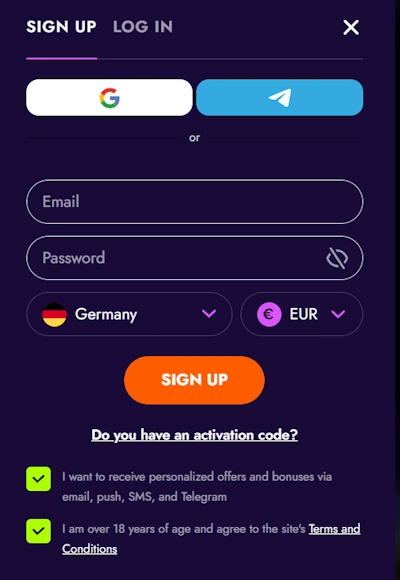
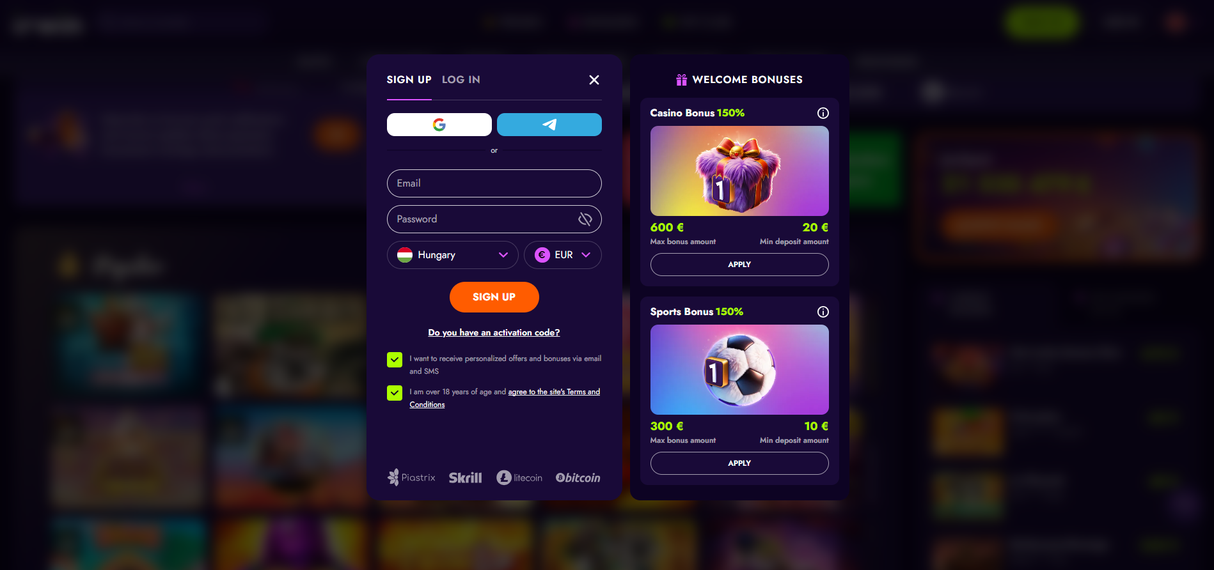
Imagine you register fast while multitasking, and you type your details the way you “think” they should be. Later, you’re asked to confirm something and you realize your profile doesn’t match your documents. It’s not dramatic, but it can slow down normal account actions.

Login 2

Keep your profile accurate and consistent. Use real information, format it the way you normally do for banking or official communication, and avoid changing it repeatedly. Stability is what makes support easier and account checks faster.

Also, separate setup from play time. If you’re setting up security options, deciding on limits, or preparing verification, do it when you’re calm. When you’re emotional, tired, or rushing, you’re more likely to miss a checkbox or approve something you didn’t mean to approve.

For 2026, device habits matter too. If you use multiple devices, choose one as your “admin device” - the one you use for profile changes and payments - and keep it consistent. When every task happens on a different device, it gets harder to remember what you did and where.

Login 3

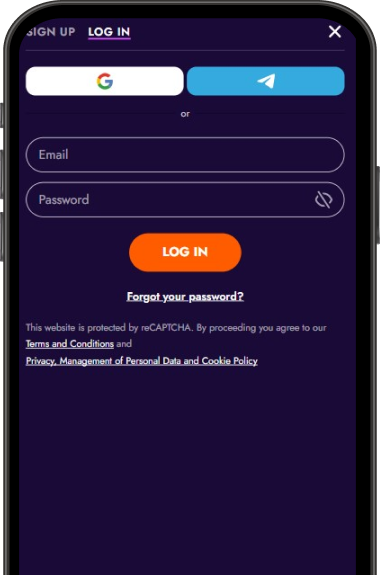
Getting In On The First Try

Imagine you type your password and nothing happens. You try again, then again, then you start changing letters randomly. That’s how a small hiccup turns into a lockout. The best “first try” strategy is slower, not faster.

Start by checking the basics that cause the most false errors: caps lock, keyboard language, auto-fill inserting an old email, or a browser extension interfering with forms. If you suspect auto-fill is the culprit, delete the field content and type manually once, carefully.

If the page refreshes and you feel uncertain, don’t spam the button. Pause, check whether you’re already signed in (look for account icons, history access, or balance display), then proceed. The goal is not to prove speed - it’s to avoid duplicate attempts.

Imagine you’re logging in from a café on shared Wi-Fi. That’s a great time to browse the lobby, but not the best time to change passwords or update personal details. Keep sensitive steps for a stable connection and a private device.

Common Access Mistakes That Feel Like “Bugs”

Picture a player who keeps getting an error and assumes the platform is broken, when the issue is actually a hidden space in the email field or a saved old credential. Small input issues create big frustration because they look like “nothing works.”

Clear the field completely and re-enter credentials. If you use password managers, confirm you’re selecting the correct saved entry. If you’ve ever changed your email address, make sure you’re not accidentally using an older one stored in auto-fill.

Another frequent mistake is switching devices mid-attempt. One device might still have an active session while the other does not. That can make you feel like you’re “locked out” when you’re simply logged in elsewhere. Sign out properly where you can, then try one clean attempt on your primary device.

Recovery Flow Without Panic Clicking

Imagine you’re tired and you hit “forgot password,” then you don’t see the email immediately and you hit it three more times. You end up with multiple codes, mixed messages, and a lot of confusion. The calmer approach is one request, one code, one change.

Use the recovery flow once, wait for the message, and complete the steps on the same device. If you switch between phone and laptop mid-process, it’s easier to lose track of which code is active. After you reset, sign out everywhere you don’t fully control and store your new password safely.

Security And Session Hygiene For Adults

Imagine you sign in on a shared computer “just for a minute,” then you forget to sign out. Nothing happens today, but you’ve created a risk for tomorrow. Security isn’t about paranoia - it’s about routine.

Use a strong password you don’t reuse elsewhere. Keep access to your email stable because recovery often depends on it. If additional security checks are available, enable them if you frequently play on multiple devices or travel.

Session hygiene is just as important. Sign out when you’re done, especially on mobile where apps can stay open in the background. If you tend to leave sessions running, set a personal rule: after every session, check history once, then sign out. That one habit prevents most “how did this happen” moments.

Also, be mindful of device security. A screen lock, updated operating system, and basic privacy settings matter because your account security often depends on your phone security. In 2026, the fastest way to protect a casino account is to protect the device that holds your email and password manager.

Avoiding Risky Patterns On Public Wi-Fi

Picture a player making sensitive changes on public Wi-Fi because it’s convenient. It works until it doesn’t. Public networks are fine for browsing, but account changes, payments, and document uploads are better done on a trusted connection.

If you must access your account in public, keep it simple: check balance, browse games, maybe play a small session with strict limits. Save deposits, withdrawals, and personal data updates for later when you can focus and you’re on a stable network.

Banking After You Sign In: The Practical Flow

Imagine you make a deposit and the page refreshes. You don’t know whether it processed, so you feel tempted to try again. The fix is boring but powerful: use transaction history as your source of truth, not your memory.

A clean flow looks like this: choose method, confirm amount, approve once, then verify the history entry. If the status shows pending, wait briefly and re-check later instead of repeating the action.

Withdrawals deserve patience and stability. Deposits are built to feel immediate; payouts can involve method processing and account checks that vary by player and situation. Your job is to keep the account stable and track status calmly, not to refresh endlessly.

Keep your first deposit modest and treat it as a test run. You’re checking how the cashier behaves on your device and how clearly records appear. Once you understand the pattern, future sessions feel smoother and less stressful.

Money Step (Plain Language)

What You Do

What You Check Right After

Common Slip-Up

Add Funds

Confirm amount and method once

History entry appears with a status

Clicking twice during slow loading

Confirm Balance

Compare lobby balance with history

Amount matches your record

Trusting only the game screen

Request Payout

Submit one request and note time

Status label updates in history

Refreshing nonstop and panicking

Keep Method Consistent

Use one route regularly

Same route listed in your cashout record

Switching methods right before payout

Set Spending Cap

Choose a cap before you play

Limit is active in settings

Setting spending limits after overspending

Track session duration

Use a reminder or timer

You stop when it rings

Ignoring the first reminder

First deposit as a calm confidence test

Imagine depositing a larger amount than planned because you're excited, then feeling pressure to keep playing to justify it. That pressure makes sessions worse. A smaller first deposit keeps you calm and gives you space to learn the interface.

After funding, pause. Check history, confirm the entry, then set a time reminder. You're building a predictable loop: fund, verify, play, stop. When your loop is predictable, the platform feels easier.

Withdrawals With Less Stress And More Control

Picture a player who requests a payout, then immediately edits profile details because they notice a typo. That can trigger extra checks and slow everything down. Keep your account stable before and during payout requests.

Request once, track status in history, and check later at a planned time instead of watching it constantly. If you need support, provide clear details: time, amount, method, and what the status label shows. Clear information turns your message into a solvable task.

Mobile Access And Fast Sessions

Imagine you’re on your phone, notifications are popping up, and you’re tapping quickly without thinking. Mobile sessions can be convenient, but they can also speed up decisions. The solution is structure: shorter sessions, lower stakes, and clear limits.

Start by making mobile navigation familiar. Find history, find limits, find support, and make sure you can sign out. If you can’t do those steps quickly, don’t start a real-money session yet. Explore first, then play.

Mobile also benefits from “one-game” sessions. Pick one game style you understand, play a defined block, then stop. Browsing the lobby endlessly tends to pull players into impulsive decisions, especially when tired.

A mid-session reality check helps on mobile. Imagine you feel like you’re “about even,” but you’re not sure. Open history and look at your actual deposit and activity record. That check keeps the session grounded and prevents chasing.

Controlling Tap Speed And Stake Creep

Picture a small win early in a session and the urge to raise stakes immediately. On mobile, that decision happens in one tap. Slow it down. If you want to adjust stakes, do it after a fixed time block, not in the heat of the moment.

Set your stake lower than you think you need, especially if the game pace is fast. You’re buying entertainment time. A lower stake with a timer often delivers a better experience than a higher stake with no boundaries.

If you notice irritation, rushed clicking, or “one more” thinking, take a break. Time-out and cooling-off tools exist for a reason: they stop the session when your judgment starts slipping.

Support, Limits, And Responsible Play Tools

Imagine you hit a snag: a deposit looks delayed or a setting didn’t save. You message support with “it’s broken” and get a generic reply. That’s not always bad support - it’s often incomplete information.

Write support messages like a short report: what you did, what you expected, what happened instead, and what your history shows. Add the time and amount for payment issues, and mention your device type. This speeds resolution because the agent can locate your case without guessing.

Limits are your best self-protection tool. Set a deposit cap, set a time reminder, and decide what “stop” looks like. If you know you chase when frustrated, plan for it: use a cooling-off break early, not after you’ve already lost control.

Self-exclusion is a stronger boundary for repeating patterns across time. If you notice gambling is drifting from entertainment into pressure, it’s worth using stronger tools and talking to someone you trust offline. In Canada, adult-only play under local rules means taking responsibility for your own boundaries, not just clicking “I agree.”

A simple 2026 routine: one cap, one timer, one end-of-session check of history, then sign out. It’s boring, it’s repeatable, and it keeps gambling in its proper place.

A Support Message That Gets A Real Answer

Imagine an agent opening your ticket with zero details. They have to ask follow-ups, and you wait longer. Instead, send one complete message: device, approximate time, amount, method, and status shown in history.

Keep your story consistent and avoid changing account details while the issue is being reviewed. Stability helps support trace your activity and resolve the problem faster.

FAQ

Start with the simplest checks before you try again: caps lock, keyboard language, and auto-fill inserting old details. Imagine you’re tired and you keep guessing - that can trigger a lockout and turn a small issue into a longer wait. Clear the fields, type carefully once, and if it still fails, use the recovery flow a single time and finish it on the same device. After you regain access, store the new password safely and sign out on any devices you don’t fully control.

Open your transaction history and use it as your source of truth. Imagine the page refreshes and you feel tempted to click again - that’s how duplicate charges happen on mobile. Verify the history entry first, check the status label, and wait briefly if it shows pending. Only contact support if the record stays unclear longer than expected, and include time, amount, and method in your message.

Payout requests can trigger safety checks and method processing steps that vary by situation. Imagine you edit profile details right before requesting a payout - that can create extra questions and slow the flow. Keep your account stable, use a consistent payout method when possible, and track status updates in history rather than refreshing constantly. If support requests confirmation, provide clear information once and avoid changing settings while the request is being reviewed.

Use two guardrails: a spending cap and a timer set before you start. Imagine you’re on your phone, tapping quickly, and time disappears - that’s exactly when boundaries matter most. Keep stakes conservative, limit browsing, and play one defined block instead of wandering the lobby. If you feel rushed or irritated, take a cooling-off break and return later only if it still feels like entertainment.

Send a short, structured report: what you did, what you expected, what happened instead, and what your history shows. Imagine writing only “it doesn’t work” - you’ll get follow-up questions and wait longer. Include the approximate time, the amount for payment issues, your device type, and any visible status label. Then keep your account stable and respond calmly to follow-ups for faster resolution.

Use a time-out the moment you notice chasing, irritation, or rushed decisions. Imagine you keep saying “one more” while feeling tense - that’s a clear signal the session isn’t healthy right now. A time-out creates space to reset, while self-exclusion is a stronger boundary for patterns that repeat over weeks. These tools aren’t punishment, they’re practical safeguards to keep play within adult limits.

Plan the session like a scheduled activity: set a budget, set a timer, and decide your stopping point before you play. Imagine starting without a plan and ending with regret because you drifted - boundaries prevent that outcome. Check history once at the end, sign out, and switch activities so the session ends cleanly. If it stops being fun, stop, take a break, and return only when you feel clear.

🇬🇧 English