

























































Casino Irwin: Calm Setup For Canada

Built for adult players in Canada, this 2026 walkthrough focuses on limits, payments, play choices, and getting help fast.

Fortune Gems 2 Slot

Table of Contents

  • The Dog House Megaways Slot
  • Lucky Joker 10 Extra Gifts Slot
  • Sword of Ares Slot
  • Floating Dragon Hold & Spin Slot
  • Leprechaun Riches Slot
  • Fruit Cocktail Slot
  • The Dog House Megaways Slot
  • Sword of Ares Slot
  • Fruit Million Slot
  • The Dog House Megaways Slot
  • Big Fisherman Slot
  • Big Fisherman Slot
  • Seven Books Unlimited Slot
  • Irwin Casino Fortune Slot
  • Sword of Ares Slot
  • Floating Dragon Hold & Spin Slot
  • 9 Mad Hats Slot
  • Floating Dragon Hold & Spin Slot
  • Big Bass Splash Slot

Slot Games


  • Coin Volcano Hold and Win 3x3 Slot
  • Green Chilli 2 Slot
  • Winter Star Bonus Buy Slot
  • Eggs of Gold Slot
  • Book of Wizard Double Chance Slot
  • Bonanza Billion Slot
  • Miss Cherry Fruits Jackpot Party Slot
  • Neon Capital Slot
  • Money Minter Slot
  • Hockey Shootout Slot
  • Mega Greatest Catch Bonus Buy Slot
  • Black Wolf 2 Hold and Win Slot

Crash Games


  • Ninja Crash Slot
  • Balloon Slot
  • Cricket X Slot
  • Crash Duel X Slot
  • Space XY Slot
  • Crash Slot
  • JetX Slot
  • Spaceman Slot
  • JetX 3 Slot
  • Crash Slot
  • Balloon Slot
  • Ho Ho Hodl Slot

Live Dealers


  • Baccarat Dance by Vivo

    Baccarat Dance

  • Boom City by Pragmatic Play

    Boom City

  • Emerald Blackjack by Pragmatic Play

    Emerald Blackjack

  • Roulette Las Vegas by Vivo

    Roulette Las Vegas by Vivo

  • Lucky 6 Roulette by Pragmatic Play

    Lucky 6 Roulette

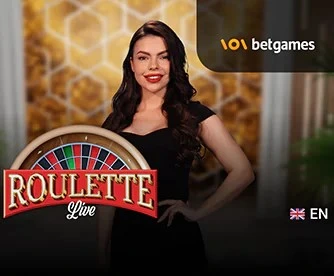
  • Live Roulette by Betgames

    Live Roulette

  • Limitless Blackjack by Vivo

    Limitless Blackjack

  • Sweet Bonanza Candy Land by Pragmatic Play

    Sweet Bonanza Candy Land

  • Gravity Sic Bo by Iconic 21

    Gravity Sic Bo

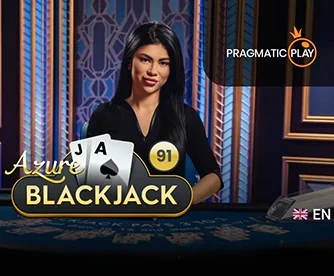
  • Azure Blackjack by Pragmatic Play

    Azure Blackjack

  • Roulette Live by LiveGames

    Live Roulette

  • Baccarat Caribbean by Vivo

    Baccarat Caribbean by Vivo

  • Playson
  • Playtech
  • Pragmatic Play
  • Novomatic
  • PG Soft
  • Amatic
  • Evolution
  • Belatra
  • NetEnt
  • Play'n'GO

Irwin Casino Online: First Session In Canada

A first session should feel like a controlled test, not a leap of faith. The fastest way to keep things adult is to treat the platform as a sequence of steps: set boundaries, confirm money routes, then play. In 2026, the “safe” feeling comes from clarity, not from hype.

Home 1

Imagine you log in with a coffee and only twenty minutes before you have to switch tasks. Most players click the biggest tile and let the lobby decide for them. A better move is opening your account area first and checking where limits and history are stored, so your session starts with control instead of momentum.

Availability in Canada is best understood as access for adults, within applicable local rules. What you see inside your own profile matters most: the cashier list, the available confirmation steps, and the tools that let you pause. If something is not visible to your account, do not waste energy building plans around it.

Your goal for day one is not excitement. It is familiarity. Learn where the cashier is, how to review transactions, and how to leave the session cleanly. When you can end a session on purpose, you stop gambling “by accident.”

Another practical habit: keep your first session small. Small does not mean timid, it means measurable. A modest budget and a short timer make it easier to notice how the interface behaves and how you personally react to wins, near-misses, and streaks.

Finally, get comfortable with the idea that stopping is part of the activity. If the session ends and you feel that “just one more” pull, that is exactly when your plan should take over. The plan exists for moments like that.

Setting Limits Before Any Game

Set limits when you feel neutral, not when you feel hopeful or irritated. A spending cap prevents quick top-ups, and a session reminder prevents time drift. In 2026, these two tools do more than any motivational promise because they work even when your mood changes.

Imagine you start playing and the first few rounds feel cold. Usually players respond by speeding up or raising stakes to “get unstuck.” If you already set a cap and a reminder, you are more likely to pause, breathe, and make a deliberate choice rather than a reactive one.

If you want a simple rule that holds, try this: one deposit per session. It removes the option to “fix a feeling” with more money. You can always return another day and decide again, but you cannot rescue a shaky mood by feeding it funds.

Reading The Lobby Like A Map

Before you play, scan the lobby like you would scan a new neighborhood. Where is your profile? Where is the cashier? Where is support? If you can answer these three questions quickly, the rest becomes less stressful.

Picture a player who gets confused mid-session and keeps clicking until something “looks right.” That is how mistakes happen. A calmer approach is stopping, returning to the account hub, and moving forward only when you recognize the path.

Irwin Casino.: Account Messages And Receipts

Short system messages can look unimportant, but they often carry the details you need later: timestamps, confirmation notes, and status labels. In 2026, adult play means you can trace your actions without guessing, especially when money is involved.

Home 2

Imagine you deposit, then later you scroll through history and see a brief label you do not immediately understand. Most players ignore it because they want to get back to games. A better habit is opening the entry once, reading the method and time, and closing it. That thirty-second check prevents confusion later.

Treat receipts as a personal log. You do not need a spreadsheet, you just need consistency: confirm what you did, note what you expected, and move on. If you ever need support, having clean details makes the conversation faster and calmer.

How To Keep Notes That Save Time

Keep one simple note after money actions: method used, time, and whether you received a confirmation message. This is especially useful if you switch devices often.

Imagine you request a withdrawal, then later you cannot remember whether you confirmed the step on the same screen or in a follow-up prompt. A tiny note prevents that fog. It turns “I think I did it” into “I know what I did,” which is a big difference when you want quick help.

Irwin Online Casino: Payments And Cashouts In Canada

Payments should feel boring in the best way. You want predictable steps, not surprises. In 2026, most platforms make deposits easy, while withdrawals can include extra confirmations, and that difference is normal. The smart move is planning your exit route before you start playing.

Home 3

Imagine you only planned a short session and you deposit quickly. Later you decide to cash out and you see additional checks. If you treat that as a crisis, you stress yourself and risk starting another session “while waiting.” If you treat it as a routine checklist, you stay calm and finish cleanly.

In Canada, methods can vary by provider and region, so the cashier list in your own account is the most reliable guide. Choose one primary route and stick with it long enough to learn how it behaves for both deposits and withdrawals. Switching methods frequently creates confusion and extra friction.

A practical habit for newcomers is a small test cashout once you are comfortable. You are not testing luck, you are testing the workflow: where to click, what confirmations appear, and how status updates look in your history.

If a cashout feels slow, start with facts, not feelings. Check the time you submitted, the method you selected, and the current status label. Then decide whether you need to wait, confirm something, or contact support with a clear message.

Payment Route

Best For

Common Extra Checks

Processing Feel

Practical Tip

Bank Card

Familiar deposits

Bank approvals, limits

Fast in, variable out

Match profile details carefully

Bank Transfer

Planned sessions

Cutoff times, references

Slower but steady

Save confirmation notes

E-Wallet

Balanced control

Wallet verification

Often smooth, provider-dependent

Use one wallet as primary

Prepaid Voucher

Budget boundaries

Redemption steps

Instant deposit, cashout may differ

Treat it as a spending cap

Crypto Transfer

Network Payments

Address Checks, Confirmations

Network-Dependent

Double-Check Every Character

Building a Game Shortlist That Stops Scrolling

Game libraries are designed to keep you browsing. Browsing feels harmless because it is not “playing,” but it often turns into longer sessions and more impulsive choices. A shortlist is the simplest antidote: two comfort picks you already understand, plus one curiosity pick you test with a timer.

Imagine you open the lobby after a long day and everything looks new. Usually players tap three titles in five minutes, then feel oddly unsatisfied because they never settle into a rhythm. With a shortlist, you pick once and start, so your time goes into entertainment instead of searching.

In 2026, the best personal strategy is not a secret trick. It is matching pace to mood. If you are tired or irritated, fast formats can push you into autopilot. If you are calm and focused, you can enjoy more variety without drifting. Knowing your state is part of responsible play.

A clean approach is separating discovery from money. Explore new titles in low-pressure mode when possible, learn the rules, and only then decide whether they belong in your rotation. Confusion is a common trigger for chasing because players keep going “until it makes sense.”

End every session with a quick history check. Two minutes is enough. You are not judging yourself, you are collecting reality. Reality keeps your future decisions grounded.

Slot Sessions Without Autopilot

Slots are built for speed. Speed is fun when you control it, and risky when it controls you. If you notice yourself clicking faster than you are thinking, slow the rhythm on purpose: pause between spins, lower stakes, or stop.

Imagine you hit a near-miss and your hand immediately goes for the spin button again. That reflex is autopilot. A simple pause, even five seconds, breaks the loop and brings you back to choice.

Build a “stop signal” rule for slots: if you raise stakes to chase a feeling, you end the session. This rule does not need debate. It is a boundary that keeps entertainment from becoming emotional problem-solving.

Live Tables And Slower Decisions

Live tables can feel calmer because the pace is slower and decisions are more explicit. That slower pace can help some adults stay present, but it can also invite “one more hand” thinking if you do not set an end time.

Imagine you are enjoying the flow and you tell yourself you will stop after the next round. Then the next round becomes the next. A timer solves this by giving you an external ending that does not depend on mood.

If you choose live play, keep your plan simple: fixed stake range, fixed session length, and no mid-session escalations. The moment you feel tempted to “fix” the session with bigger bets is the moment to step away.

Demo Play And Rule Checks

Learning rules before money is involved is not boring, it is protective. A quick demo run helps you understand features, volatility, and pacing, so you are less likely to react emotionally when the game behaves exactly as designed.

Imagine you start a new title and you do not understand why a feature did not trigger. Confusion turns into irritation, and irritation often turns into chasing. A short rule check prevents that spiral by giving you clarity first.

If demo play is not available, treat your first minutes as practice: small stakes, short timer, and a promise to stop if you feel confused. Practice sessions are allowed to be uneventful. Their job is learning, not winning.

Responsible Play Tools And Break Options

Responsible gaming is not a slogan, it is a set of small actions that work even when your mood does not. Limits, reality checks, timeouts, and longer breaks exist for one reason: to keep gambling in the entertainment box.

Imagine you notice you are leaning closer to the screen, clicking faster, and feeling tense. Most players try to “play through” that tension. A healthier response is using a break tool immediately, because distance is what resets the brain.

Your boundaries should be practical. One deposit per session. One timer per session. One history check at the end. These are simple rules, and that is why they work.

If play ever stops feeling fun, treat that as a signal, not a challenge. Adults do not need to prove discipline in the middle of a session. They can choose a break and return later if they still want to play for enjoyment.

Timeouts And Cooling-Off Habits

A timeout is useful because it removes the option to keep clicking “just a little more.” It creates a forced pause, and forced pauses are often what prevent impulsive choices from becoming bigger problems.

Imagine you are frustrated and you tell yourself you will stop after one win. That is a classic sign the session has shifted from fun to bargaining. A timeout breaks the bargaining loop and gives you a clean reset.

Cooling-off habits can be simple even without a built-in tool: stand up, drink water, step into another room, then decide whether you still want to play. The goal is separating “I feel a pull” from “I choose to continue.”

Self-Exclusion And When To Use It

Longer breaks are not a punishment. They are a tool for adults who want to protect their time, budget, and mood. If you notice repeated patterns you do not like, a longer pause can be the most responsible choice.

Imagine you keep returning at the same hour every day, not because you planned a session, but because it became automatic. That is the moment to consider stronger boundaries: longer breaks, uninstalling the app for a while, or replacing the habit with a different activity at the same hour.

If you choose self-exclusion options, treat it as a decision made by your calmer self. You are not “losing access,” you are gaining space. Space is where better choices happen.

Support and problem-solving for Canadians

Support is easiest when you approach it like a checklist. If something looks off, you gather facts first: what you did, when you did it, what you expected, and what you see now. This method keeps the conversation short and reduces back-and-forth.

Imagine you see a transaction status you do not recognize. Many players panic, send a vague message, and keep playing while they wait. A calmer pattern is stopping immediately, opening history, capturing the method and timestamp, and sending one concise request. Clear inputs usually produce clear next steps.

Use support early, not late. If a term is confusing, ask while you are calm. If a setting is unclear, clarify before you deposit again. Playing through confusion is one of the most common ways adults lose control of session length.

Also learn where self-service answers live inside your account area: transaction notes, settings explanations, and help sections. If you can solve half of issues yourself, you feel more in control, and control is what keeps gambling from becoming a stress habit.

FAQ

Set a phone alarm before you open the lobby, pick one game in advance, and stop when the alarm rings even if you feel “almost done.” Imagine you are scheduling entertainment like a break, not like an open-ended activity. After stopping, check your recent history once and log out so the ending feels final.

Open your transaction history, find the exact entry, and note the method, timestamp, and status label before you contact support. Imagine you are reading a receipt line-by-line instead of guessing from memory. If you still need help, send one message with those details and what you expected to happen.

Choose a cap that fits an average day, not your most disciplined day, and pair it with a session timer. Imagine you are building a routine you can repeat weekly without negotiating with yourself mid-session. If you keep wanting to adjust limits “just this once,” simplify the rules and make them more realistic.

Treat the first minutes as practice: small stakes, short timer, and a promise to stop if you feel confused. Imagine you are test-driving rules and pace, not forcing a result. If irritation shows up, switch to a familiar title or end the session rather than increasing risk to “figure it out.”

Use it when play stops feeling fun and starts feeling automatic, tense, or compulsive. Imagine the moment you notice faster clicking and less thinking, that is your signal to pause. A break tool removes the option to bargain with yourself in the heat of the moment and gives you space to reset.

Pause for a few seconds, lower stakes or stop, and remind yourself that near-misses are designed to feel meaningful even when they are not. Imagine the urge as a wave that weakens if you do not feed it with quick clicks. If the urge stays strong, end the session and return another day with a fresh plan.

Share what you did, when you did it, what you expected, and what you see now, plus the payment method and timestamp if money moved. Imagine you are giving a technician a short checklist rather than a complaint. Clear facts usually reduce back-and-forth and lead to a direct next step.

🇬🇧 English